December 13, 2025
Maintaining a home's plumbing system is essential for creating a safe, efficient, and comfortable living environment. Even minor plumbing issues can escalate into significant problems when neglected, leading to property damage, increased utility costs, and potential health risks. By recognizing early warning signs, homeowners can take timely action and avoid extensive repairs. This article outlines the most common indicators that plumbing trouble is developing and explains when it may be time to contact a local plumbing company for professional assistance. Understanding these signs can help protect both the home’s value and the health of the people who live in it.
1. Persistent Dripping
Persistent dripping is one of the most recognizable signs of plumbing problems. Even if the sound seems minor, it can indicate hidden leaks behind walls, beneath floors, or around fixtures where water can accumulate over time. Moisture that remains undetected may weaken building materials and foster mold growth. Homeowners who hear water running when all faucets are shut off should consider contacting a local plumbing company to evaluate the system before structural damage develops. Early detection is much more cost-effective than addressing a severe leak after it spreads.
Another noticeable sign tied to dripping is an unexplained rise in monthly water bills. Gradual increases often indicate water escaping somewhere in the plumbing system. Small leaks, particularly from toilets or aging fixtures, can waste hundreds of gallons over time. Although the increase may seem minor at first, the cost adds up quickly across multiple billing cycles. A professional inspection can identify the leak's source and ensure repairs are completed correctly.
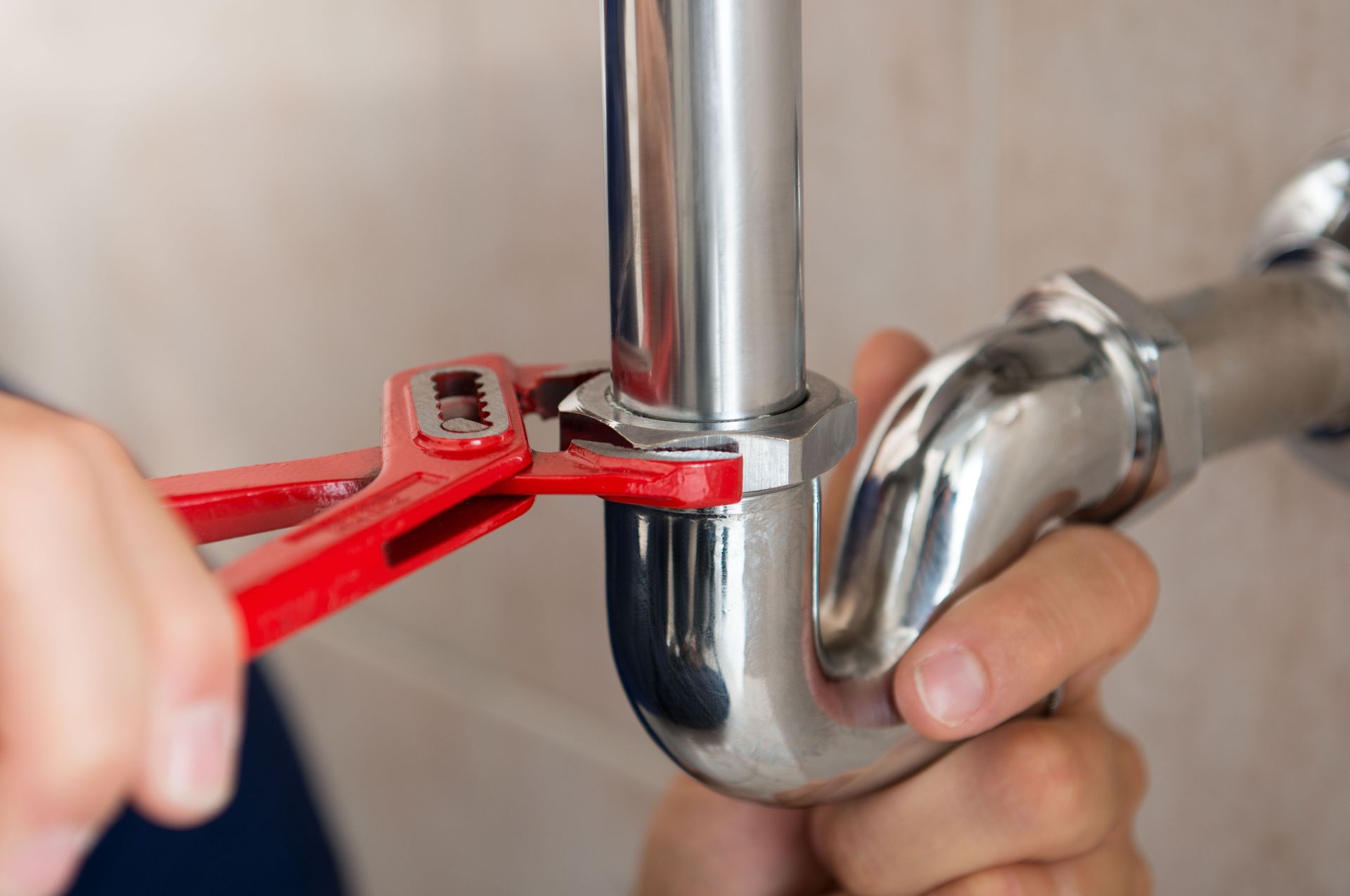
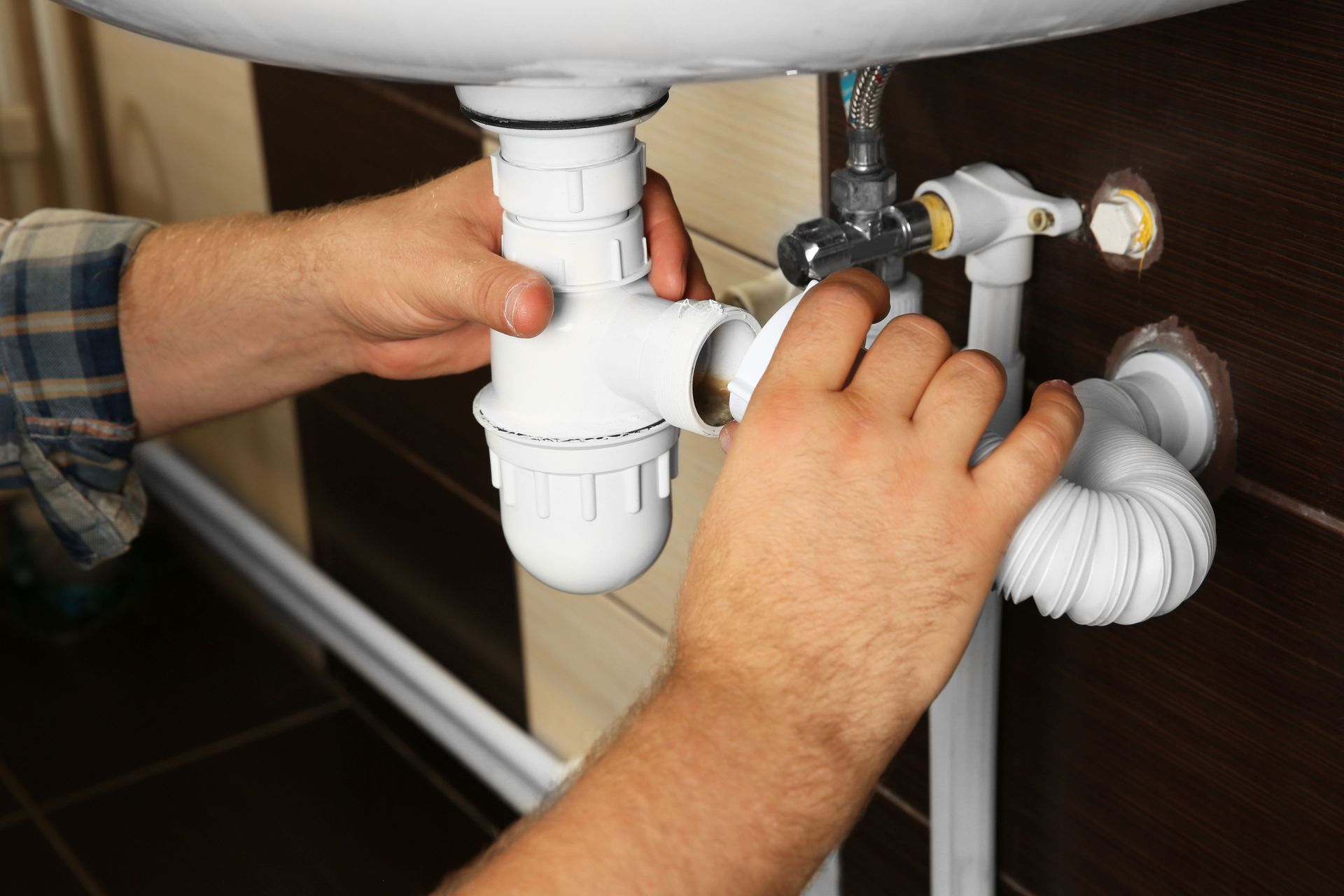
Common locations for leaks include faucets, toilets, water heaters, and under-sink connections. Dripping faucets may waste more water than expected, while running toilets often indicate worn components that require replacement. Observing these areas regularly can help catch issues early. If signs persist, scheduling an evaluation with a local plumbing company ensures accurate detection and timely repair.
2. Slow or Clogged Drains
Slow or clogged drains can indicate a developing obstruction in the plumbing system. Hair, soap residue, food particles, grease, and foreign objects commonly contribute to blockages. While a single slow drain may not seem alarming, repeated clogs or drainage issues in multiple locations may signal deeper plumbing concerns. If ignored, these blockages can lead to wastewater backups, which are inconvenient, messy, and hazardous.
DIY solutions can help with minor clogs, but recurring or stubborn blockages often require specialized tools. Over-the-counter chemical cleaners may damage pipes and provide only temporary relief. When household methods fail, it is best to bring in a local plumbing company that has equipment such as drain augers and inspection cameras. These tools allow professionals to diagnose problems accurately and remove obstructions safely without harming the plumbing system.
Repeated clogs suggest underlying complications that need targeted attention. According to Gitnux, nearly 10% of home repairs in the United States involve plumbing issues, making drain problems a frequent challenge for homeowners. Recurring blockages may indicate tree root intrusion, aging pipes, or buildup deep within the sewer line. Addressing these issues proactively improves system longevity and reduces the likelihood of emergency repairs.
3. Low Water Pressure
Low water pressure often signals underlying plumbing issues that require investigation. If only one faucet has reduced pressure, the issue may be related to a clogged aerator or localized obstruction. However, when low pressure affects multiple fixtures, it may indicate a systemic problem such as corroded pipes, hidden leaks, or municipal supply fluctuations. Identifying which areas are affected can help narrow down the root cause.
Various factors can lead to reduced water pressure, including mineral buildup inside pipes, partially closed valves, malfunctioning pressure regulators, or sediment accumulation in fixtures. Hard water contributes to mineral deposits that gradually reduce internal pipe diameter and impede flow. Although homeowners can clear some blockages themselves, more complex scenarios require professional tools and expertise.
Homeowners should also distinguish between intermittent and continuous pressure problems. Temporary fluctuations may occur due to municipal maintenance or increased neighborhood water usage. In contrast, consistent low pressure suggests internal system deterioration or leaks. Keeping track of when pressure drops occur can help a professional pinpoint the cause more efficiently.
4. No Hot Water
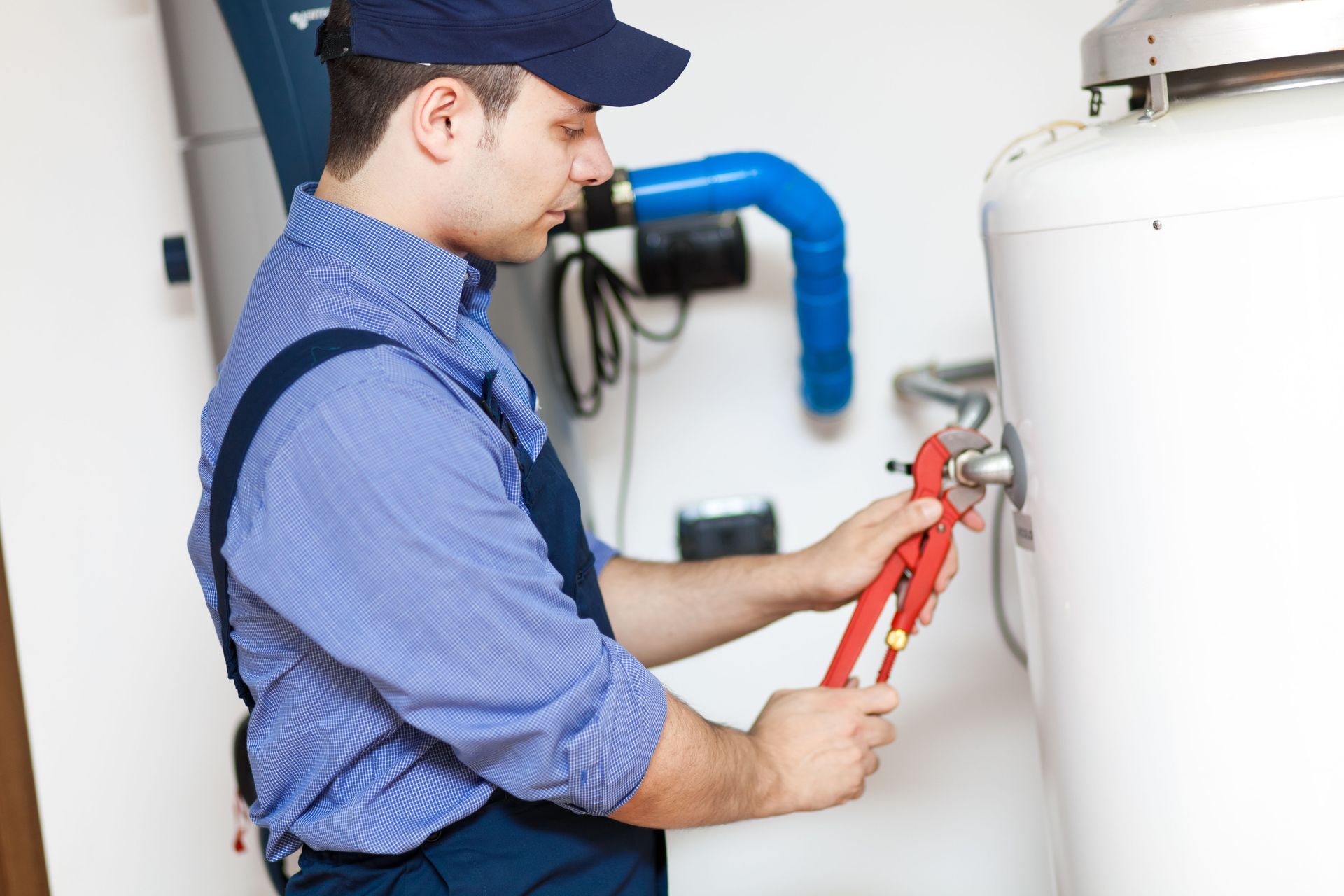
A sudden lack of hot water can be troubling and often signals issues within the water heater. Homeowners should begin with simple checks such as confirming that power or gas supply is active and ensuring the thermostat is set correctly. For electric heaters, tripped breakers may temporarily disrupt heating. For gas heaters, pilot light issues may prevent ignition. These basic steps can sometimes resolve the problem without further action.
When simple fixes fail, the water heater may be experiencing internal issues. Sediment buildup is one of the most common causes of reduced heating efficiency. As minerals settle at the bottom of the tank, they create a barrier that forces the heater to work harder, reducing its lifespan. Other problems include failing heating elements, malfunctioning thermostats, or corroded internal components. A professional evaluation helps determine whether repair or replacement is necessary.
Recognizable signs of a failing water heater include fluctuating water temperature, discoloration in the water, leaks surrounding the tank, or strange rumbling noises. These symptoms indicate internal deterioration that may soon lead to complete heater failure. Prompt attention prevents unexpected breakdowns and avoids more costly emergency replacements.
5. Foul Odors
Foul odors resembling sewage inside a home are clear indicators of plumbing problems. Sewer gases can enter living spaces through broken pipes, blocked vents, or malfunctioning drain traps. These odors often concentrate near drains or basements, where plumbing components are more exposed. Prompt action is essential to prevent health risks and further system damage.
Multiple issues may cause persistent odors. If a drain trap dries out, sewer gases may escape into the home. Blocked vent stacks can also prevent gases from exiting properly, forcing them back indoors. Organic buildup within pipes may create bacterial odors that seep out of drains. Because these causes vary widely, professional diagnosis is often necessary.
Long-term odor prevention relies on routine maintenance. Ensuring that traps remain filled, vents remain clear, and sewer lines stay unobstructed reduces the likelihood of unpleasant smells. If issues arise repeatedly, a local plumbing company can perform inspections and recommend durable long-term solutions.
6. Discoloration and Corrosion
Discoloration in tap water is a noticeable sign of potential plumbing issues. Yellow, brown, or reddish water often indicates the presence of rust, sediment, or minerals due to aged pipes or disturbances in the municipal supply. Although occasional discoloration may be harmless, persistent issues require investigation to ensure water quality and safety.
Corroded pipes pose substantial risks, including leaks, structural weakness, and eventual pipe failure. Metal pipes, especially older galvanized steel systems, are prone to corrosion over time. As corrosion advances, pipes may clog, restrict water flow, or develop holes. Replacing deteriorated pipes helps protect the home and improve water clarity.
Discoloration may also suggest contamination concerns. Minerals, metals, or sediments entering the water supply may affect taste, smell, or appearance. Water testing helps confirm whether the issue originates within the home or from a municipal source. A local plumbing company can assist with testing and recommend appropriate treatment or repair.
Recognizing early signs of plumbing issues helps maintain a safe and efficient home. Knowing when to reach out to a local plumbing company ensures that problems are identified quickly and resolved before becoming major concerns. With timely intervention, homeowners can protect their property, reduce repair expenses, and enjoy a healthier living environment supported by a reliable plumbing system. Contact our team at Nitro Plumbing LLC today and learn more about our plumbing services.