February 9, 2026
Plumbing systems quietly support nearly every daily activity in your home, from showering and cooking to laundry and cleaning. Because pipes, drains, and fixtures are often hidden behind walls or under floors, problems can develop without obvious warning signs. Many homeowners don't realize something is wrong until water damage, high utility bills, or sudden loss of function force immediate attention. By then, what started as a minor issue may have already caused unnecessary expense or disruption.
Understanding the most common reasons homes need plumbing repairs can help homeowners recognize early red flags and take action before problems escalate. Even small symptoms, like slow drains or faint water stains, often point to larger issues within the system. Addressing these concerns promptly can protect your home's structure, conserve water, and restore daily comfort. In this article, we'll break down the most common reasons homeowners need repairs from a plumber and explain how each issue can affect your property if left unaddressed.
1. Persistent Leaks Behind Walls or Under Floors
Hidden leaks are one of the most common and damaging plumbing issues in residential homes. Pipes running behind walls, beneath flooring, or through ceilings can develop cracks, loose joints, or corrosion over time. Because these areas aren't visible, water may leak for weeks or months before homeowners notice any signs.
Often, the first indicators include unexplained increases in water bills, damp drywall, warped flooring, or musty odors. According to Gitnux, the typical residential home wastes about 10,000 gallons of water annually due to leaks, highlighting how costly unnoticed plumbing problems can become. Left untreated, hidden leaks can weaken structural components, promote mold growth, and require extensive repairs beyond the plumbing itself.
2. Slow or Frequently Clogged Drains
Slow drains are more than a minor inconvenience. They often signal buildup within the pipes caused by grease, soap residue, hair, food particles, or mineral deposits. While chemical drain cleaners may provide temporary relief, they rarely address the root of the problem and can damage pipes over time.
Recurring clogs may indicate deeper obstructions or improper pipe slope, both of which require professional evaluation. When multiple drains in the home are affected, it may point to a blockage in the main sewer line. Ignoring slow drainage can lead to backups, unpleasant odors, and potential water damage if wastewater overflows into sinks, tubs, or floors.
3. Low Water Pressure Throughout the Home
Low water pressure can significantly impact daily routines, making showers less effective and appliances less efficient. This issue may stem from mineral buildup inside pipes, partially closed shutoff valves, aging plumbing materials, or hidden leaks reducing system pressure.
In older homes, galvanized steel pipes are especially prone to corrosion, which narrows the interior diameter and restricts water flow. Sudden drops in pressure can also indicate pipe damage or leaks within the system. A qualified plumber can identify the underlying cause and restore consistent pressure before the issue worsens.
4. Running or Constantly Refilling Toilets
A toilet that continues running after flushing may seem harmless, but it can waste a significant amount of water over time. Common causes include worn flapper valves, faulty fill valves, or improperly adjusted float mechanisms. While these components are small, their failure can result in continuous water flow into the bowl.
Beyond water waste, unresolved toilet issues can strain other plumbing components and increase utility costs. In some cases, constant refilling may also indicate pressure problems or sediment buildup within the tank. Addressing these repairs early prevents long-term inefficiencies and unnecessary expenses.
5. Aging or Corroded Pipes
All plumbing materials have a lifespan. Over time, pipes deteriorate due to corrosion, mineral deposits, temperature changes, and normal wear. Older homes may still contain galvanized steel, cast iron, or polybutylene pipes, all of which are more susceptible to failure than modern materials.
Corroded pipes can cause discolored water, reduced flow, frequent leaks, and eventual pipe bursts. Small leaks may appear first, but full replacement often becomes necessary as deterioration progresses. Evaluating aging pipes allows homeowners to plan upgrades proactively rather than reacting to emergency failures.
6. Water Heater Performance Issues
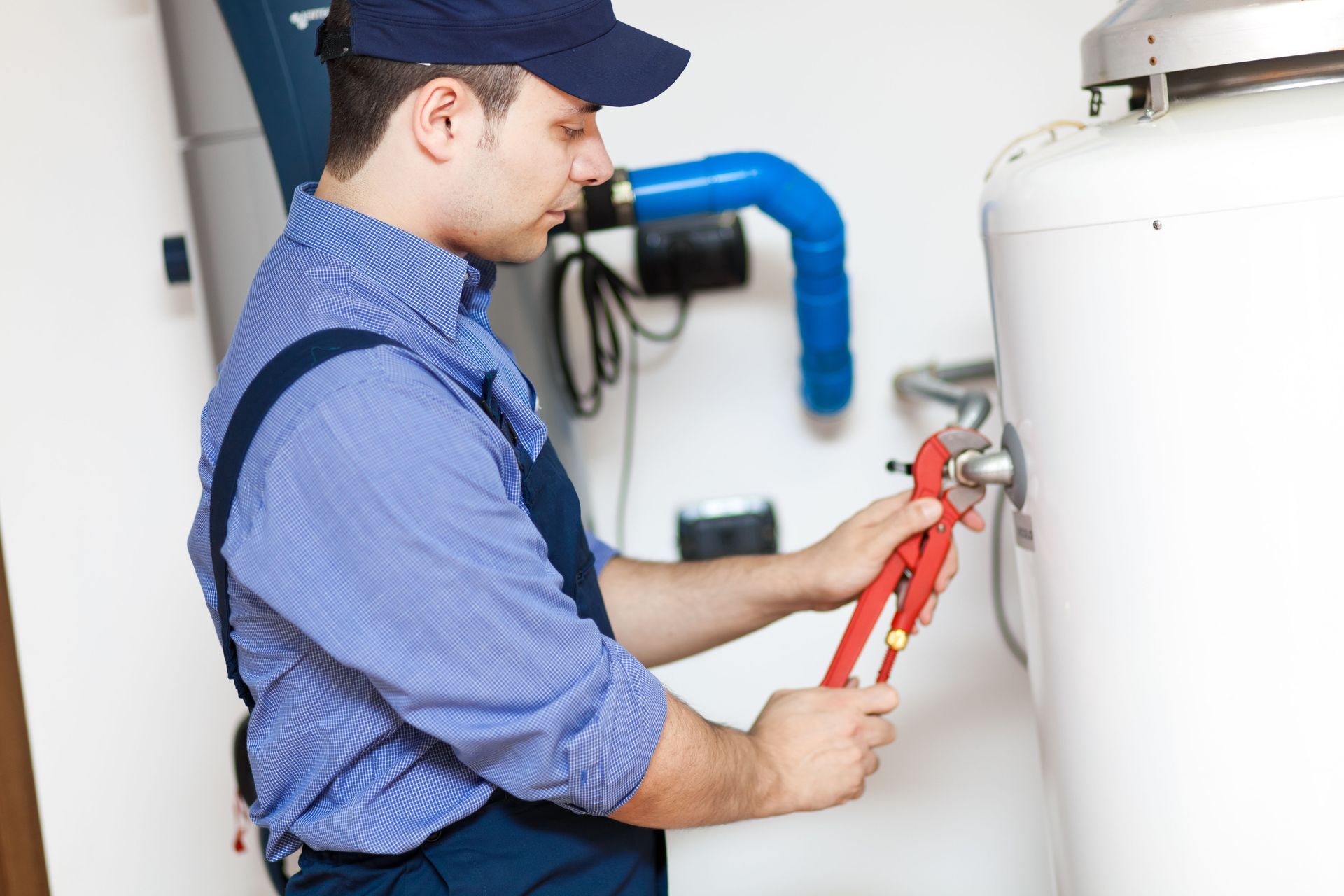
Hot water problems are a common reason homeowners seek plumbing repairs. Inconsistent water temperature, limited hot water supply, unusual noises, or visible leaks around the water heater all signal underlying issues. Sediment buildup inside the tank is one of the most frequent causes, reducing efficiency and shortening equipment lifespan.
Faulty heating elements, failing pressure relief valves, or corroded tanks can also compromise performance. Ignoring these signs may lead to complete system failure or water damage. Regular inspections and timely repairs help extend the life of the unit and maintain reliable hot water access.
7. Sewer Line or Main Drain Problems
Issues within the sewer line are among the most serious plumbing concerns. Tree root intrusion, pipe collapse, grease buildup, or shifting soil can block or damage the main drain. Symptoms often include multiple clogged fixtures, sewage odors, slow drainage throughout the home, or wastewater backups.
Because sewer line problems affect the entire plumbing system, they require prompt attention. Modern diagnostic tools allow a plumber to inspect pipes internally and determine the most effective repair method. Early intervention can prevent extensive excavation and costly structural repairs.
8. Faulty or Outdated Plumbing Fixtures
Plumbing fixtures experience daily use and gradually wear out. Dripping faucets, loose handles, leaking shutoff valves, and malfunctioning shower components can all contribute to water waste and inconvenience. Outdated fixtures may also lack modern efficiency features, leading to higher utility consumption.
Replacing or repairing worn fixtures not only improves functionality but can also enhance water conservation. Even minor fixture leaks can waste hundreds of gallons annually if ignored. Addressing these issues promptly keeps the plumbing system operating smoothly and efficiently.
9. Pipe Damage From Freezing Temperatures
Cold weather poses a significant risk to exposed or poorly insulated pipes. When water freezes inside pipes, it expands, increasing internal pressure and causing cracks or bursts. Damage may not be immediately visible, especially if pipes thaw before inspection.
Signs of freeze-related damage include reduced water flow, visible cracks, or water pooling once temperatures rise. Repairing damaged pipes quickly helps prevent repeated failures during future cold spells. Proper insulation and professional assessment can reduce the risk of recurring freeze-related issues.
10. Poor Installation or Previous Repair Work
Not all plumbing issues stem from age or wear. Improper installation or poorly executed past repairs can create long-term problems. Incorrect pipe sizing, loose connections, improper venting, or substandard materials may function temporarily but fail prematurely.
Homeowners often encounter these issues when renovating or purchasing older homes. A licensed plumber can identify installation flaws and recommend corrective repairs that improve system reliability. Fixing improper work early reduces the likelihood of future emergencies and unexpected breakdowns.
Plumbing problems rarely appear without warning. From hidden leaks and aging pipes to water heater malfunctions and sewer line issues, many common household repairs begin as small, manageable concerns. Recognizing early signs and understanding their potential impact allows homeowners to protect their property, conserve water, and avoid more extensive damage.
Routine inspections and timely repairs play a key role in maintaining a safe and functional home. If you've noticed unusual water usage, reduced pressure, or recurring plumbing issues, it may be time to consult a plumber for professional evaluation. Don't wait for a minor problem to turn into a costly emergency! Schedule an inspection with Nitro Plumbing LLC today and take the next step toward long-term plumbing reliability.